FAMILY TRAVEL PLANNING: EVERYT HING YOU NEED TO KNOW
Family Travel Planning: Everything You Need to Know
In 2023, my family and I embarked on an unforgettable gap year across Europe—a journey that began with six months of planning. While the excitement of endless possibilities fuelled our dreams, the process also came with its fair share of challenges. Did you know that over 60 percent of families find travel planning more stressful than the trip itself? Organizing a family getaway involves more than picking dates and destinations. From managing budgets to keeping everyone happy, the smallest details can make or break your adventure. Discover how smart preparation turns those potential headaches into smooth, unforgettable journeys for all ages.
Key Takeaways
-
Family travel planning requires a structured approach to balance family members’ needs while allowing for spontaneity.
-
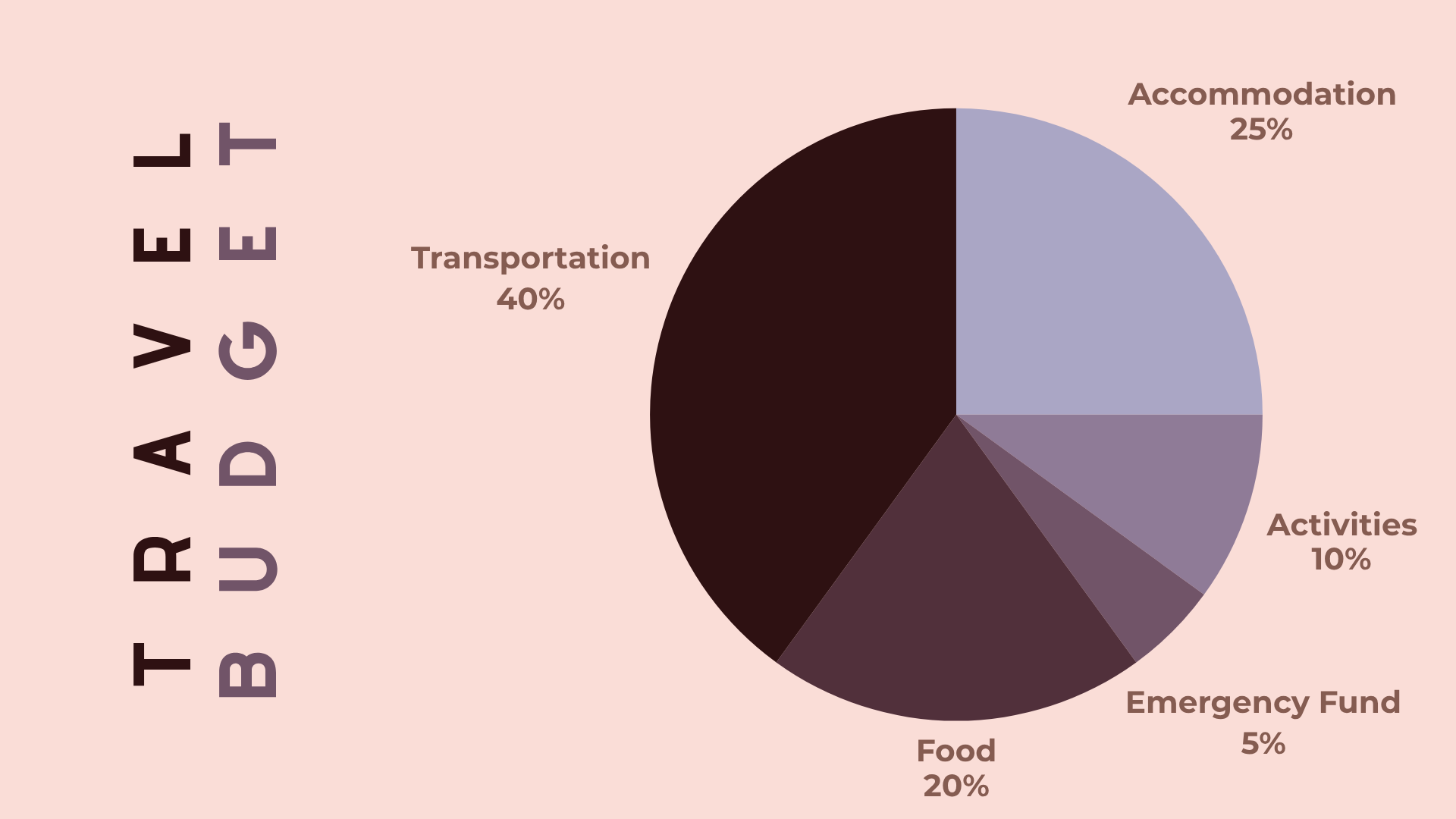
Proper budgeting should factor in transportation, accommodation, food, activities, and emergency funds to ensure a stress-free trip.
-
Avoid delays in booking, hidden fees, neglecting insurance, and overpacking to enhance the travel experience.
-
Engage all family members in the planning process to foster collaboration and shared excitement about the adventure.
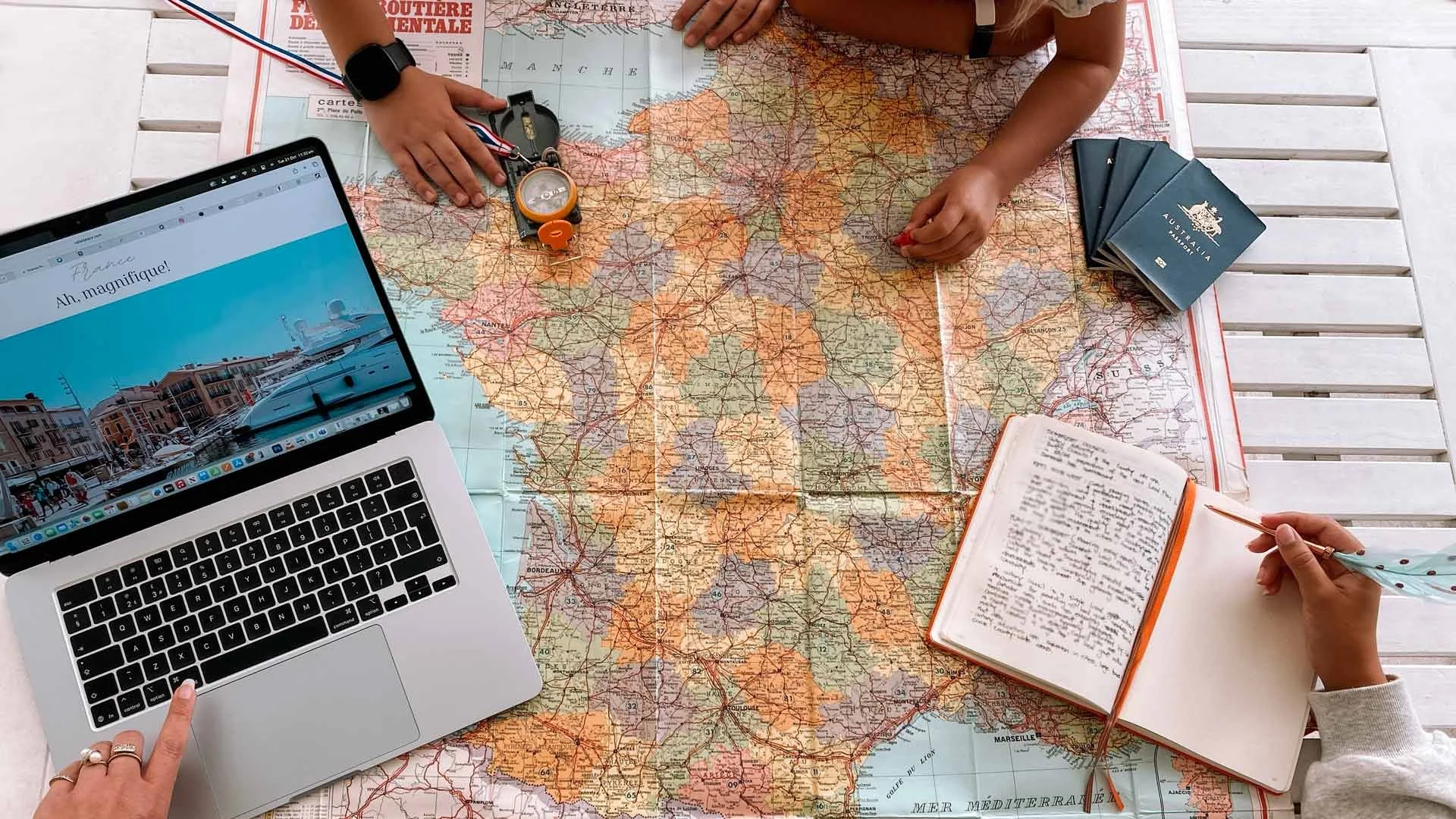
Planning a road trip around France with my kids.
What Is Family Travel Planning? Core Concepts
Family travel planning is more than just booking tickets and packing bags. It’s a strategic approach to creating memorable, stress-free adventures that cater to every family member’s needs and interests. According to research from travel planning experts, this process involves meticulous organization across several critical dimensions.
At its core, family travel planning encompasses several key elements:
Budgeting for comprehensive trip expenses (transportation, accommodation, food, activities)
Destination selection matching family interests and financial constraints
Flexible itinerary design that allows spontaneity and unexpected discoveries
Smart packing strategies to minimize stress and maximize comfort
Digital tools have revolutionized how families approach travel preparation. Modern platforms like TripIt Pro and Google Trips centralize trip organization, enabling families to streamline complex logistics while maintaining planning flexibility. Our France Family Travel Guide can help you understand how strategic planning transforms potential chaos into extraordinary family memories.
Ultimately, successful family travel planning is about creating a framework that balances structure with adventure.
It means anticipating potential challenges, preparing adaptable solutions, and maintaining a sense of excitement and openness to unexpected experiences. Whether you’re exploring the French Riviera or embarking on a global adventure, thoughtful planning is your passport to unforgettable family moments.
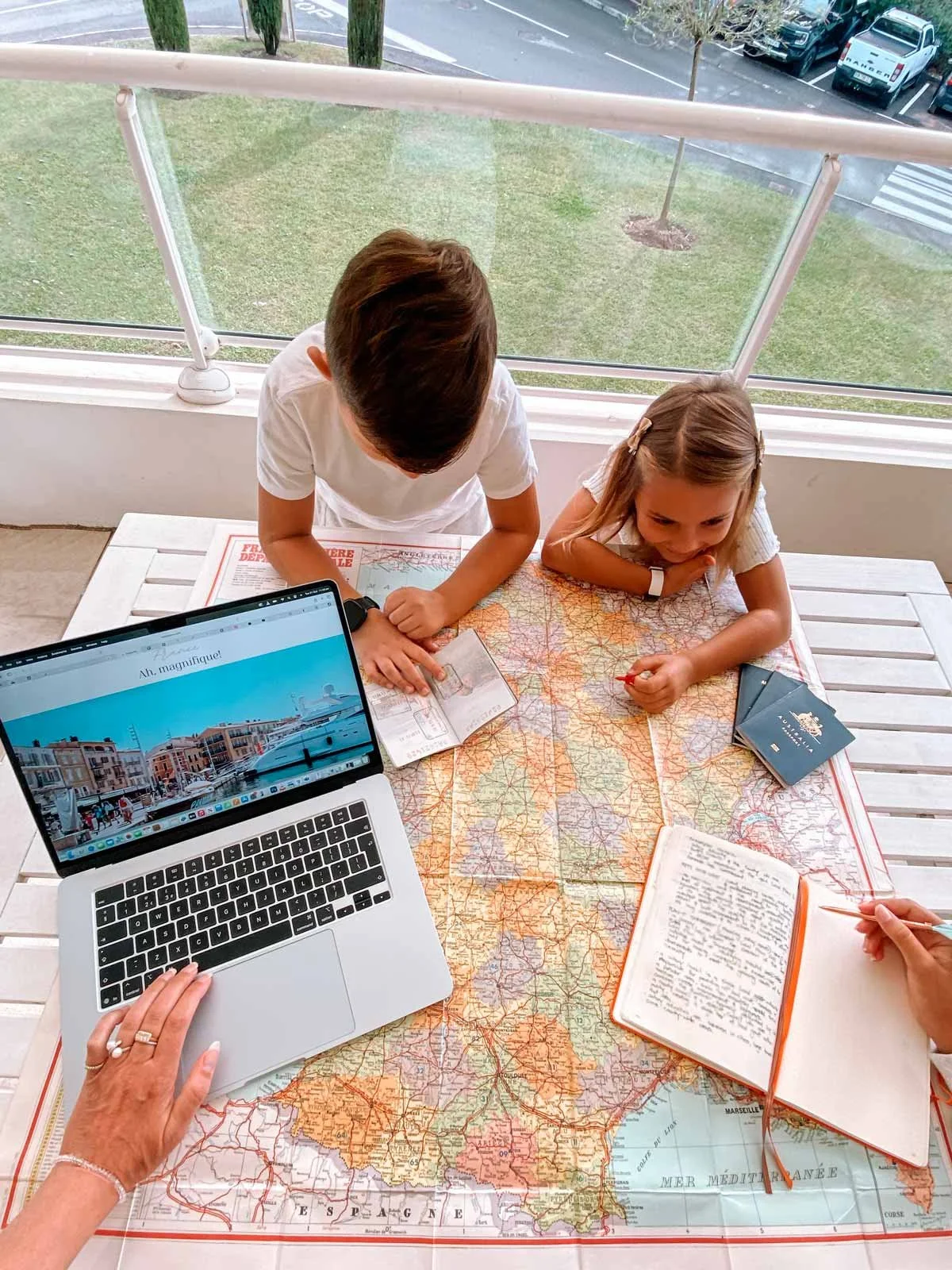

Types of Family Travel: Vacations, Gap Years, and Relocation
Family travel has evolved far beyond traditional vacation models, offering diverse experiences that cater to different lifestyles and aspirations. From short-term adventures to extended global journeys, families now have multiple travel paradigms to explore and enjoy.
Traditional vacation travel remains the most common type, typically spanning one to two weeks and focusing on leisure, relaxation, and shared family experiences. These trips often involve pre-planned destinations, structured itineraries, and concentrated periods of exploration. Our European Family Travel Destinations showcase how families can craft memorable short-term travel experiences across different regions.
According to research, backpacking has emerged as a compelling alternative travel style.
While traditionally associated with young solo travelers, backpacking is increasingly becoming a family-friendly approach. As noted in research, this low-cost independent travel method allows families to experience extended trips with minimal expenses, offering flexibility and immersive cultural experiences.
The most transformative family travel type is the gap year or relocation travel. These extended journeys involve living temporarily in different locations, often blending work, education, and exploration. According to corporate housing research, families are now using temporary furnished accommodations to facilitate seamless transitions between destinations. This approach allows families to deeply integrate into new communities, learn languages, and provide children with extraordinary educational experiences beyond traditional classroom settings.
Key Elements of Successful Family Travel Planning
Family travel planning requires a strategic approach that transforms potential chaos into memorable experiences. According to research from travel experts, successful trips hinge on careful preparation and thoughtful consideration of each family member’s needs and expectations.
Key planning elements involve multiple critical dimensions:
Advanced Booking: Secure flights and accommodations well in advance
Destination Selection: Choose locations that offer educational and bonding opportunities
Accommodation Considerations: Prioritize family-friendly amenities like kitchenettes and play areas
Health Preparation: Pack comprehensive first-aid kits and ensure necessary vaccinations
Activity Balance: Design flexible itineraries with equal parts exploration and relaxation
According to research from travel planning resources, the most successful family trips strengthen familial connections while providing opportunities for cultural immersion and personal growth. This means selecting destinations that offer engaging experiences for all age groups, from interactive museums to outdoor adventures.
Our Italy Family Travel Guide illustrates how strategic planning can transform a simple trip into an extraordinary journey. The ultimate goal is creating a travel framework that allows spontaneity while maintaining enough structure to keep everyone comfortable and engaged. By anticipating potential challenges, preparing adaptable solutions, and maintaining a sense of collective excitement, families can turn travel from a logistical challenge into an incredible shared adventure.
Budgeting, Logistics, and Legal Requirements for Families
Family travel budgeting is a complex puzzle that requires strategic financial planning and meticulous attention to multiple variables. According to research from travel planning experts, successful family trips demand a comprehensive approach that balances financial constraints with travel aspirations.
Budget allocation typically follows a strategic breakdown:
Transportation: 25-30% of total budget
Accommodation: 30-35% of total budget
Food and Dining: 15-20% of total budget
Activities and Entertainment: 10-15% of total budget
Emergency and Contingency Funds: 5-10% of total budget
Legal considerations become increasingly complex for families contemplating extended travel or relocation. According to research on family visas, international travel requires careful navigation of immigration requirements, which often include proving minimum income thresholds, obtaining appropriate health insurance, and managing documentation across multiple jurisdictions. Our 2026 Travel Planner can help families streamline these intricate logistics.
Modern travel planning leverages technology to simplify these complex processes. Digital tools and apps now offer integrated solutions for tracking expenses, managing documentation, and providing real-time budget monitoring. The key is creating a flexible financial framework that allows for unexpected experiences while maintaining fiscal responsibility, transforming potential stress into an exciting, well-managed family adventure.
Common Mistakes and How to Avoid Them
Family travel planning can quickly become overwhelming, with numerous potential pitfalls waiting to derail even the most carefully crafted adventures. According to research from travel experts, many families inadvertently sabotage their trips by making preventable mistakes that could easily be avoided with proper preparation.
Key mistakes to watch out for include:
Delayed Booking: Procrastinating on flights and accommodations, leading to inflated prices
Hidden Fees Ignorance: Overlooking additional charges like baggage fees, resort taxes
Insurance Neglect: Skipping travel insurance, risking significant unexpected expenses
Document Unpreparedness: Forgetting passport validity, visa requirements
Overpacking: Bringing excessive luggage that complicates travel logistics
According to research on family travel challenges, these mistakes can transform a dream vacation into a financial and logistical nightmare. Strategic planning involves anticipating potential issues and developing flexible contingency plans. Our Hungary Travel Guide offers practical insights into navigating common travel challenges.
The most successful family travelers approach planning as a collaborative process. Involve all family members in decision-making, create shared checklists, and maintain a sense of humor when unexpected challenges arise. Remember, perfect planning is impossible, but thoughtful preparation can significantly reduce stress and maximize the joy of family travel experiences.
Elevate Your Family Travel: Proven Solutions for Unforgettable Adventures
Stressed by the endless details of planning trips with your family? Struggling to balance budgeting, legal paperwork, and creating a fun itinerary that excites everyone? The challenges highlighted in this article are real. From picking the right destination to ensuring you don’t miss out on hidden gems or overspend, family travel can feel overwhelming. But it does not have to be that way. Dive into curated insights, practical planning guides, and firsthand experiences designed to make every journey effortless and rewarding. Unlock guides like Hungary — Family Travel Guide to Hungary | Tips & Itineraries for real solutions to your travel frustrations.
Ready to simplify your next family vacation or take that dream gap year? Visit https://natalijalara.com now. Discover expert tips, family-tested itineraries, and start planning your next adventure with confidence. Check out both Hungary Family Travel resources and Slovenia Travel Guides to see how easy family travel can truly be. Your unforgettable journey starts here.
Frequently Asked Questions
What are the core concepts of family travel planning?
Family travel planning involves budgeting, selecting suitable destinations, creating flexible itineraries, and employing smart packing strategies to cater to all family members’ needs and interests.
How can families avoid common mistakes when planning trips?
Families can avoid common mistakes by booking flights and accommodations early, being aware of hidden fees, obtaining travel insurance, preparing necessary documentation, and avoiding overpacking.
What types of family travel exist beyond traditional vacations?
Types of family travel include traditional vacations, backpacking experiences, and extended gap year or relocation travels that allow families to immerse themselves in different cultures and lifestyles.
How should families budget for travel expenses?
Families should allocate their travel budget across various categories, including transportation (25-30%), accommodation (30-35%), food (15-20%), activities (10-15%), and emergency funds (5-10%).
Recommended
Family Travel to Italy: Tips, Adventures & Memories — Natalija Lara Travel Blog
France Family Travel Guide | Tips & Itineraries — Natalija Lara Travel Blog
Hungary Travel Guide: Family-Fun in Budapest & Beyond — Natalija Lara Travel Blog
Bon voyage!
Much love, Natalija xoxo
Your turn! What are your go-to tips or tricks for planning the perfect vacation? I’d love to hear your insights—drop them in the comments below and let’s inspire each other! Also follow my journey on Instagram @natalija.lara & don’t be shy to say hello!